10 Mobility Aids Tricks All Experts Recommend


Understanding Mobility Aids: Enhancing Independence and Quality of Life
As society continues to age and people significantly look for ways to keep independence, the need for mobility aids has actually never ever been more relevant. Mobility aids, which encompass a variety of devices designed to assist people with strolling or walking around, play a crucial role in promoting mobility, enhancing safety, and enhancing general quality of life. This blog site post will check out the various types of mobility aids, their advantages, factors to consider for choice, and respond to some frequently asked concerns.
Kinds Of Mobility Aids
Numerous mobility aids are available, each developed to resolve specific needs. The following table summarizes a few of the most common kinds of mobility aids and their functions.
| Kind Of Mobility Aid | Description | Best Suited For | Key Features |
|---|---|---|---|
| Walking canes | A portable stick offering assistance and balance. | People who need minimal support. | Light-weight, portable, adjustable height. |
| Walkers | Four-legged frames providing stability. | Those requiring substantial support while strolling. | Foldable, some with wheels, included safety functions. |
| Rollators | Wheeled walkers with a seat for resting. | Individuals requiring mobility with the alternative to rest. | Brakes, baskets for personal items, adjustable height. |
| Wheelchairs | Chairs with wheels for individuals with minimal mobility. | Those unable to stroll or requiring extensive assistance. | Manual or powered alternatives, customizable seating. |
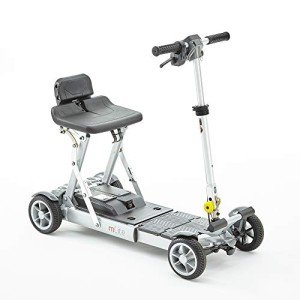
| Scooters | Motorized devices for bigger distances. | People with limited endurance but needing self-reliance. | Various sizes and designs, typically portable. |
| Crutches | Assistance devices placed under the arms or lower arms. | People recuperating from lower limb injuries. | Adjustable, lightweight, requires upper body strength. |
| Stairlifts | Mechanical devices for moving in between floors. | Users dealing with difficulties in multi-level homes. | Customizable for different staircases, automated. |
Advantages of Mobility Aids
Mobility aids offer a range of benefits that can considerably enhance the lives of individuals dealing with mobility obstacles. Some significant benefits consist of:
- Increased Independence: Mobility aids empower individuals to move easily without depending on others for support, consequently improving their self-confidence and self-confidence.
- Boosted Safety: Using mobility aids can reduce the threat of falls and injuries, specifically for older adults or those with balance concerns.
- Improved Quality of Life: By assisting in mobility, individuals can engage in social activities, participate in occasions, and enjoy life more completely, adding to much better psychological and mental health.
- Rehab Support: After surgery or injury, mobility aids offer needed support and stability, assisting in recovery and rehab procedures.
- Ease of access: Many mobility aids are developed to be used both inside your home and outdoors, ensuring that individuals can navigate various environments with ease.
Aspects to Consider When Choosing Mobility Aids
Picking the suitable mobility help requires cautious consideration of several aspects, including:
| Factor | Factors to consider |
|---|---|
| User's Needs | Evaluate the level of mobility required; consider whether the user needs temporary or long-term help. |
| Physical Limitations | Assess the user's strength, balance, and coordination to identify the best type of help. |
| Setting | Consider the main environments where the help will be used, such as home, outdoors, or particular terrains. |
| Weight and Portability | Make sure that the picked gadget is manageable regarding transportability and storage, especially for outside use. |
| Budget plan | Mobility aids been available in a variety of costs; consider insurance protection and available funding options. |
| Adjustability | Select aids that can be adjusted for height and comfort to accommodate growth or altering needs. |
Often Asked Questions About Mobility Aids
1. How do I know if I require a mobility aid?
Many factors can signify the need for a mobility help, such as trouble strolling or balancing, fatigue while standing, or a current surgical treatment affecting mobility. Consulting with alyshewitt.top can supply assistance customized to individual needs.
2. What kinds of mobility aids are covered by insurance?
Protection differs between insurance providers, however most supply options for resilient medical equipment, which typically consists of wheelchairs, walkers, and some kinds of walking canes. Check with your insurance coverage supplier for specific coverage details.
3. Can mobility aids be utilized outdoors?
Yes, lots of modern mobility aids are developed for outdoor usage. Rollators, scooters, and some walkers are equipped with functions for stability and ease of usage on various terrain.
4. How do I keep my mobility help?
Routine upkeep involves examining for any wear and tear, making sure that parts such as wheels, brakes, and frames are functioning correctly, and cleaning up the devices as needed. Following the maker's guidelines is essential for safety.
5. Is there a risk of ending up being reliant on mobility aids?
While some users might end up being reliant on mobility aids, they are developed to promote independence and mobility. Slowly utilizing a mobility help can improve self-confidence and aid keep physical strength and coordination.
Mobility aids are important tools that empower individuals to overcome physical obstacles, promoting self-reliance and boosting lifestyle. By comprehending the various types of mobility aids readily available, their benefits, and essential elements for consideration, families and caregivers can make educated decisions that best meet the needs of their liked ones. With the right support, those with mobility challenges can lead satisfying and active lives, complimentary to check out the world around them.